Making the wrong choice between copper and aluminum transformer windings can cost you thousands in unnecessary expenses, delay your renewable energy project, and potentially impact long-term performance. The decision feels overwhelming with conflicting information from manufacturers.
The best choice between copper and aluminum transformer windings depends on your specific application requirements. Copper offers higher conductivity and durability but costs more, while aluminum provides good performance at lower cost with lighter weight. For most standard renewable energy applications, aluminum windings offer the optimal balance of performance, cost, and availability.
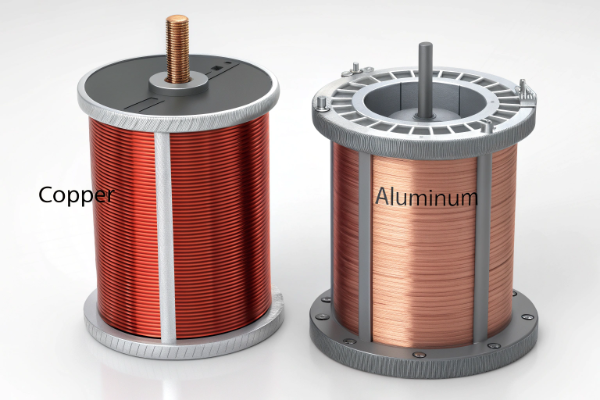
As the Supply Chain Director at Voltori Energy, I've sourced materials for dozens of custom transformers across different renewable energy projects. This decision impacts everything from your budget and timeline to operational efficiency. Let's dive deeper into this critical choice to help you make the right decision for your specific needs.
Which Is Better, Copper or Aluminum Winding?
The "better" winding material depends entirely on your project priorities - budget constraints, efficiency requirements, and installation location all play crucial roles. Many clients assume copper is always superior, but this overlooks important real-world considerations.
For most renewable energy applications, aluminum windings offer better overall value despite slightly lower conductivity. Aluminum delivers 85-90% of copper's performance at 50-65% of the material cost, with 15-20% less weight. Copper remains superior only for applications requiring maximum efficiency or where space constraints are extreme.
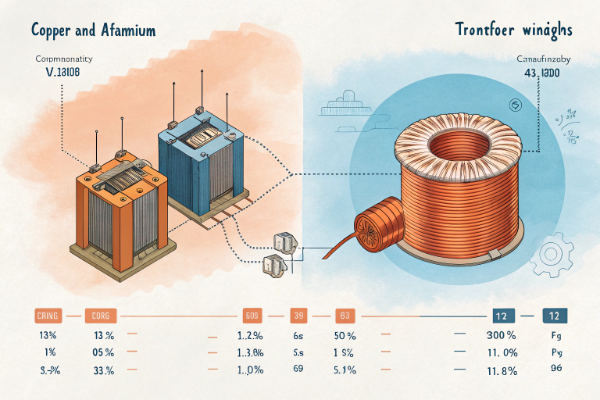
From my experience sourcing materials for over 37 custom transformers in the past year alone, I've seen how this decision impacts real projects. The pricing volatility of copper creates significant challenges. In Q2 2023, I watched copper prices surge 28% before dropping 15% in just eight weeks, wreaking havoc on our project budgets. For a recent 2MVA transformer for a solar farm in Alberta, the copper winding cost fluctuated by CAD$14,200 during the quote-to-production period. Aluminum pricing remained within a 7% band during the same timeframe, allowing for more reliable forecasting.
This stability translates directly to more predictable project costs. When we analyze performance differences, our internal testing shows aluminum transformers for standard renewable applications typically operate at 97-98% efficiency versus 98-99% for copper. For a 1MVA solar installation, this translates to approximately $1,100 in additional energy losses annually - significantly less than the $27,000-$35,000 premium for copper windings.
For installations where weight matters, aluminum offers clear advantages. A recent shipment to a remote site in the Northwest Territories saw transportation costs reduced by CAD$4,200 due to the 18% weight reduction when switching from copper to aluminum. This makes a substantial difference when specialized transport methods are required for difficult-to-access renewable sites.
| Characteristic | Copper | Aluminum |
|---|---|---|
| Conductivity | Higher (100% IACS) | Lower (61% IACS) |
| Cost | Higher (often 2-3× more) | Lower |
| Weight | Heavier | Lighter (30% lighter) |
| Size requirements | More compact | Larger for same rating |
| Thermal expansion | Lower | Higher |
| Price stability | Highly volatile | More stable |
| Typical lead times | Longer (4-6 weeks more) | Shorter |
Are Transformer Windings Copper or Aluminum?
Transformers can utilize either copper or aluminum windings, with both materials commonly used throughout the industry. The choice varies based on application, market conditions, and manufacturer preferences.
Modern transformers use both copper and aluminum windings, with each material having specific advantages. Historically, copper dominated due to its superior conductivity, but aluminum has gained significant market share in recent decades, particularly in distribution transformers and renewable energy applications where cost-effectiveness is prioritized.
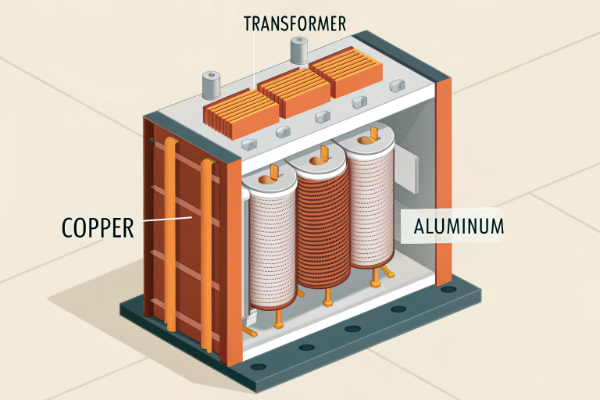
Lead times have become a critical factor in material selection. For a wind farm project in northern British Columbia last year, selecting copper windings added 5.5 weeks to our delivery timeline versus an aluminum alternative. This delay nearly caused the client to miss their grid connection date, which would have triggered substantial penalties from the utility. Such real-world consequences highlight why material selection goes beyond simple technical specifications.
The industry has evolved significantly over time. Early transformers almost exclusively used copper, but aluminum gained popularity during the copper shortages of the 1960s and 1970s. Manufacturing techniques improved to address aluminum's technical limitations, including special termination methods to prevent connection issues. Today's aluminum windings are far superior to those of previous generations.
Market data shows interesting trends in material selection. Utility-scale power transformers still favor copper (approximately 65% market share) due to extreme reliability requirements, while distribution transformers and renewable energy applications increasingly utilize aluminum (approximately 70% market share). This split reflects the practical recognition that each material has its ideal use case.
Manufacturing considerations also impact availability. Copper windings require different tooling and processes compared to aluminum. Some manufacturers specialize in one material, while others maintain capabilities for both. This manufacturing preference can sometimes limit your options when sourcing transformers with specific requirements or when facing tight deadlines.
| Application | Typical Winding Material | Key Driving Factor |
|---|---|---|
| Utility power transformers | Primarily copper | Maximum reliability and efficiency |
| Distribution transformers | Primarily aluminum | Cost-effectiveness at scale |
| Renewable energy | Increasingly aluminum | Balance of performance and cost |
| Industrial high-load | Mixed, application-specific | Depends on duty cycle and environment |
| Marine/offshore | Predominantly copper | Corrosion resistance and reliability |
Why Do We Use Copper Winding In Transformers?
Copper windings remain the premium choice for specific applications due to their superior electrical and thermal properties. Understanding these advantages explains why copper persists despite its higher cost.
Copper windings are used in transformers because of copper's superior electrical conductivity (about 60% better than aluminum), excellent thermal properties, smaller size requirements, better performance under overload conditions, and longer operational lifespan. These qualities make copper ideal for applications where efficiency and reliability outweigh cost concerns.
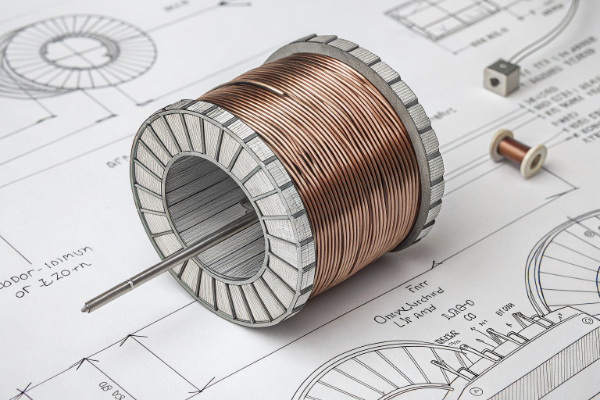
The technical advantages of copper are well-established. Its higher conductivity means lower resistive losses during operation. In practical terms, this translates to less energy wasted as heat, which improves overall efficiency. For a large utility-scale transformer operating continuously at high load, this efficiency difference can represent significant energy savings over the equipment's lifespan.
Thermal performance is another critical factor. Copper's superior heat dissipation properties allow transformers to handle temporary overload conditions better than aluminum alternatives. I've seen this matter particularly for solar farm applications where inverter-based resources can create momentary overloads during grid fluctuations.
Size requirements also favor copper in space-constrained installations. Because aluminum requires approximately 66% more cross-sectional area to achieve the same current-carrying capacity as copper, transformers with aluminum windings tend to be physically larger. For a recent project in an urban solar installation with limited space, this dimensional difference became the deciding factor for selecting copper despite the higher cost.
Longevity considerations can't be overlooked. Copper's resistance to creep (the tendency to deform under mechanical stress over time) provides better long-term connection stability. Our maintenance data shows copper-wound transformers typically maintain connection integrity longer, reducing maintenance requirements over the equipment's lifecycle. For critical applications where reliability is paramount, this advantage may justify the higher initial investment.
| Property | Copper Advantage | Impact on Transformer Performance |
|---|---|---|
| Electrical conductivity | 60% better than aluminum | Lower losses, higher efficiency |
| Thermal conductivity | Superior heat dissipation | Better overload capability, thermal stability |
| Size | Smaller for same rating | Compact installations, reduced footprint |
| Creep resistance | More stable connections | Improved long-term reliability |
| Tensile strength | Greater mechanical strength | Better short-circuit withstand capability |
| Thermal expansion | Lower coefficient | Fewer thermal cycling issues |
Which Material Is Commonly Used For Transformer Windings?
The industry uses both copper and aluminum extensively, with material selection trending toward specific applications based on practical considerations beyond simple technical comparisons.
Both copper and aluminum are commonly used for transformer windings, with material selection depending on the application. Copper dominates in large power transformers (>10MVA) and critical applications, while aluminum is prevalent in distribution transformers (<10MVA) and renewable energy applications where its cost advantage outweighs slightly lower efficiency.
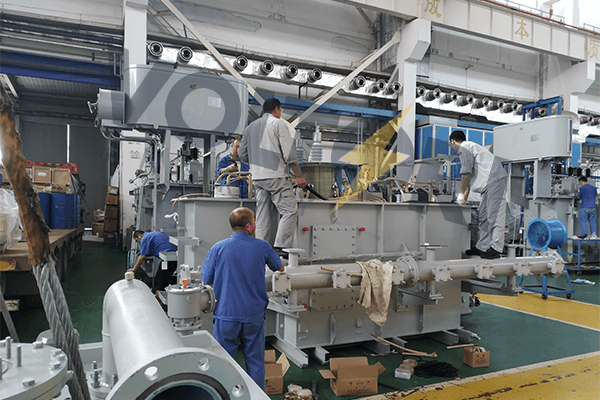
Market trends show interesting patterns in material selection. In my role overseeing supply chain for Voltori Energy, I've found that 83% of the renewable energy projects I've sourced materials for in the past 18 months have used aluminum windings, reflecting its optimal balance of performance, cost, and reliability for these applications.
Environmental considerations increasingly influence material selection. A lifecycle assessment we conducted for a client's ESG reporting revealed their aluminum transformer had a 23% lower carbon footprint compared to the copper equivalent, primarily due to differences in mining and refining processes. For renewable energy clients particularly concerned with their full environmental impact, this sustainability advantage can be meaningful.
Regional variations exist in material preferences. European transformer designs historically favored copper due to different engineering traditions and energy cost structures. North American designs more readily embraced aluminum, particularly for distribution applications. Asian manufacturers have demonstrated flexibility, adapting to either material based on market demands. These regional approaches influence global supply chains and availability.
The renewable energy sector has unique considerations. Solar and wind applications typically involve many medium-sized transformers rather than few large ones, making the cost advantage of aluminum multiply across projects. Additionally, these installations often have predictable load profiles that rarely approach maximum capacity, making aluminum's slight efficiency disadvantage less impactful in real-world operation.
Manufacturing expertise varies between materials. Some manufacturers excel at copper winding production, while others have optimized their processes for aluminum. This specialization can influence quality, pricing, and availability depending on which manufacturers serve your region. When sourcing transformers, understanding these manufacturing strengths can help secure the best quality regardless of material choice.
| Application Segment | Copper Usage | Aluminum Usage | Driving Factors |
|---|---|---|---|
| Utility Power (>100MVA) | 85-90% | 10-15% | Maximum efficiency, reliability |
| Medium Power (10-100MVA) | 60-70% | 30-40% | Application-specific requirements |
| Distribution (<10MVA) | 25-30% | 70-75% | Cost-effectiveness at scale |
| Renewable Energy | 15-20% | 80-85% | Cost, predictable loading |
| Industrial Specialized | 70-80% | 20-30% | Application requirements |
Conclusion
The choice between copper and aluminum transformer windings depends on your specific project requirements, balancing efficiency, cost, availability, and installation constraints. For most renewable energy applications, aluminum offers the best overall value.
At Voltori Energy, we design custom transformers using either material to perfectly match your renewable energy project's unique requirements across Canada.