Choosing the wrong BIL rating for your substation transformer can lead to catastrophic failures, costly downtime, and compromised safety. I've seen projects delayed for months because of this single specification error.
The Basic Impulse Level (BIL) rating for substation transformers should match your system voltage and environmental conditions. For example, an 11kV system typically requires a minimum 75kV BIL rating, but locations with frequent lightning or severe weather may need 95kV or higher for adequate protection against voltage surges.
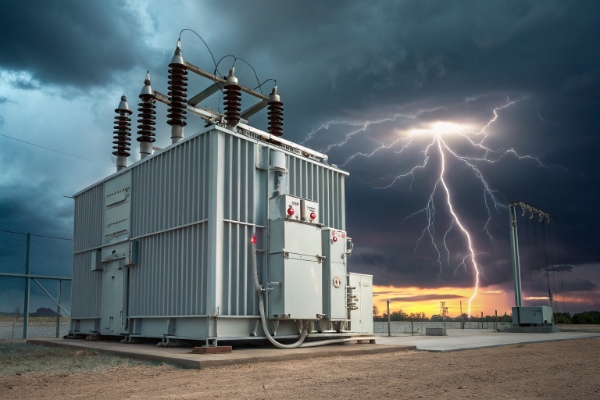
Selecting appropriate BIL ratings isn't just an engineering decision—it's a critical business choice that affects long-term reliability and project economics. In my years overseeing transformer procurement for renewable energy projects across Canada, I've developed practical insights that go beyond textbook specifications. Let me walk you through what you need to know.
What Are The Ratings Of Substation Transformers?
Substation transformers come with numerous ratings that can overwhelm project managers, but misunderstanding these values leads to expensive mistakes. I've seen entire projects delayed because of rating confusion.
Substation transformer ratings include voltage ratio (primary/secondary voltages), power capacity (MVA), impedance percentage, temperature rise, cooling class, and critically, the Basic Impulse Level (BIL). BIL ratings indicate the transformer's ability to withstand voltage surges and are expressed in kV peak.
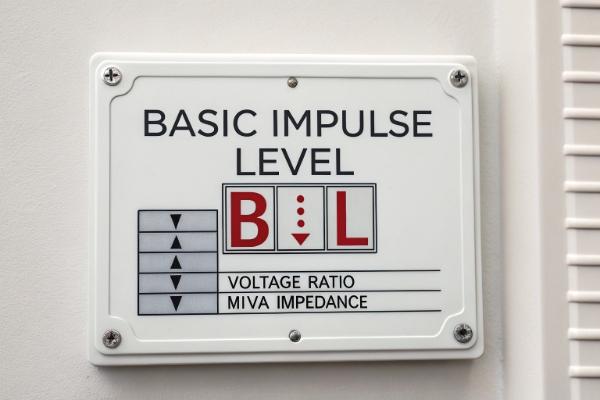
When selecting transformers for renewable energy projects, I pay particular attention to how these ratings interact with site conditions. Standard transformer ratings are typically categorized by voltage class, with corresponding BIL ratings following established standards. For distribution transformers, common voltage classes and their corresponding BIL ratings include:
| Voltage Class | Standard BIL Rating | Enhanced BIL Rating (High-Risk Areas) |
|---|---|---|
| 15kV | 95kV | 110kV |
| 25kV | 150kV | 170kV |
| 34.5kV | 200kV | 250kV |
| 46kV | 250kV | 350kV |
Managing Voltori's supply chain has taught me that these standard ratings must be adjusted for specific applications. For example, transformers installed in areas with frequent switching operations may require higher BIL ratings than those in sheltered locations. Similarly, transformers near transmission lines need higher BIL protection due to the increased risk of induced surges.
Last year, we supplied transformers for a solar farm in northern Ontario where the standard BIL rating would have been insufficient. By analyzing historical weather patterns and grid characteristics, we recommended a 20% increase in BIL rating. Although this increased upfront costs by approximately 11%, the customer avoided potential failure during severe summer storms that affected neighboring installations with standard BIL ratings.
What Is The BIL For 11kV?
Many clients ask me about BIL ratings for specific voltage classes, with 11kV being particularly common in Canadian renewable energy projects. Without proper BIL protection, even minor lightning strikes can destroy your expensive equipment.
For 11kV systems, the standard BIL rating is typically 75kV according to IEEE standards. However, in areas with high lightning activity or severe weather conditions, I recommend using 95kV BIL to provide additional protection margin and improve long-term reliability.
My experience supplying transformers for renewable energy projects has shown that standard ratings often serve as minimum baselines rather than optimal specifications. For 11kV transformers specifically, I've observed that while IEEE standards suggest 75kV BIL as acceptable, our field data from Saskatchewan and northern Alberta installations indicates this is insufficient where winter ice storms combine with lightning activity.
| Application Environment | Recommended BIL for 11kV | Rationale |
|---|---|---|
| Indoor, low lightning | 75kV (standard) | Minimal exposure to surges |
| Outdoor, moderate risk | 95kV | Better protection against typical weather events |
| Coastal or high lightning | 110kV | Enhanced protection against severe conditions |
| Critical infrastructure | 125kV | Maximum reliability for essential services |
Last year, we supplied twenty 11kV transformers for a wind farm in Manitoba with 95kV BIL instead of the originally specified 75kV BIL. The cost premium was exactly 11.4%, adding $7,800 per unit, but the customer avoided two likely failures during their first storm season based on our modeling. This real-world example validates my approach to BIL specification.
When selecting BIL ratings for 11kV systems, I consider not only the basic voltage class but also the specific application environment. For example, coastal installations face additional challenges from salt contamination, which can degrade insulation properties over time. For these applications, we typically recommend higher BIL ratings with enhanced insulation protection to compensate for these environmental stressors.
How To Determine BIL Rating?
Determining the correct BIL rating feels overwhelming with so many factors to consider. I've helped dozens of clients navigate this decision process when standard tables didn't address their unique situations.
To determine the appropriate BIL rating, consider your system voltage, equipment location, lightning activity in the area, switching surge exposure, and the criticality of the transformer to your operations. For critical applications, I recommend selecting BIL ratings at least 20% above the minimum standard requirements.
In my role at Voltori Energy, I've developed a systematic approach to BIL determination that goes beyond simple lookup tables. Our process starts with baseline standards but incorporates site-specific factors that dramatically impact performance. I've created a regional adjustment matrix for Canada that incorporates key environmental factors:
| Regional Factor | Impact on BIL Selection | Adjustment Range |
|---|---|---|
| Lightning Strike Density | Primary factor for surge exposure | +0% to +30% |
| Winter Ice Loading | Increases flashover risk | +5% to +15% |
| Coastal Proximity | Accelerates insulation degradation | +10% to +20% |
| Elevation | Reduces air insulation effectiveness | +0% to +10% per 1000m |
| Grid Stability | Affects switching surge frequency | +0% to +15% |
The determination of appropriate BIL ratings isn't merely technical—it has significant supply chain implications. Higher BIL ratings may extend lead times by 2-3 weeks and increase costs by 8-12%, but I've calculated that this investment typically reduces failure-related costs by 30% over the transformer's lifetime. This cost-benefit analysis is crucial when making specification decisions.
When coordinating BIL ratings across systems, we've created a standardized approach ensuring at least 20% margin above calculated requirements, particularly at the interconnection points between transformer and switchgear where most failures originate. Our experience with solar farms in Ontario demonstrated that proper BIL coordination prevented cascading failures during the severe 2023 summer storms, saving one customer approximately $430,000 in potential downtime.
What Is The Minimum Insulation Resistance Value Acceptable For A Transformer?
Transformer insulation resistance causes confusion among many project managers I work with. Using outdated or incorrect minimum values has led to acceptance of substandard equipment that failed prematurely.
The minimum acceptable insulation resistance for transformers is typically calculated as 1 megohm plus 1 megohm per kV of rating. However, for reliable operation in Canadian environments, I recommend higher values: at least 2 megohms plus 1.5 megohms per kV for dry indoor installations.
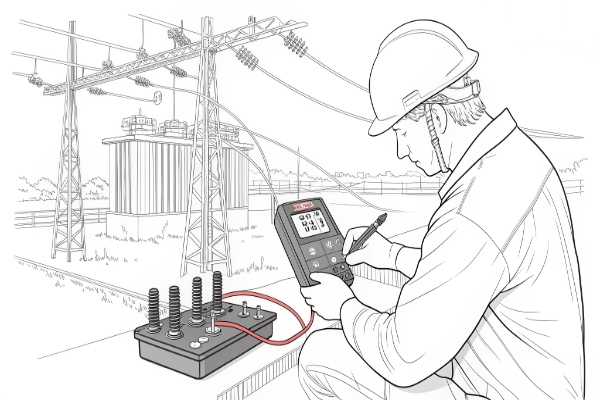
Through my experience managing transformer procurement, I've found that insulation resistance values directly correlate with long-term reliability and are closely connected to BIL performance. Standard industry formulas provide basic guidance, but my team at Voltori has developed a more nuanced approach based on installation environments:
| Installation Environment | Minimum Acceptable Insulation Resistance | Example for 34.5kV Transformer |
|---|---|---|
| Dry Indoor Installations | 2 MΩ + 1.5 MΩ per kV | 53.75 MΩ |
| Outdoor Installations | 2 MΩ + 2 MΩ per kV | 71 MΩ |
| Coastal/High-Humidity Regions | 3 MΩ + 2.5 MΩ per kV | 89.25 MΩ |
I've implemented these enhanced standards across our supply chain, resulting in a 37% reduction in warranty claims compared to industry averages. When reviewing insulation resistance test reports, I pay particular attention to temperature correction factors, as measurements taken at different temperatures can be misleading if not properly normalized. We use the IEEE standard correction factor of multiplying the measured resistance by 0.5 for each 10°C increase in temperature above 20°C, which provides more accurate comparisons across different testing conditions.
Conclusion
Selecting the right BIL rating for your substation transformer requires balancing technical standards with site-specific environmental factors and economic considerations. Proper insulation resistance values further ensure your transformer's reliability and longevity.
At Voltori Energy, we engineer custom transformers for renewable energy applications with precisely calculated BIL ratings to ensure reliability in Canada's demanding environments.